2026-10-22
Forehead Lift: Key Points of Semi-Lift and Forehead Lift Surgery, Which Matter as Much as the Lifting Itself
A guide to semi-lift and forehead lift surgery, covering which facial area sags, the tissues involved, fixation methods, and eyebrow shape considerations for choosing the right approach.
Forehead Lift: Key Points of Semi-Lift and Forehead Lift Surgery, Which Matter as Much as the Lifting Itself

Have you ever noticed, when you look in the mirror, that your face seems longer than before,
or that your eyes look heavier?
Even though nothing seems to have changed much,
you somehow look tired,
and you may find yourself noticing the area around your mouth corners or your eyebrows.
These changes are less a problem of just one area
and more a result of sagging appearing across several parts of the face,
which can make them more noticeable.
So when looking into lifting procedures,
rather than focusing on pulling upward,
it's better to first understand which area has sagged and which tissue is being addressed.
Today, we'll go through it step by step,
starting with the semi-lift, which addresses sagging in the midface,
and moving on to the forehead lift, which focuses on the area around the eyebrows and forehead.
Facelifts: Is It All About Pulling?
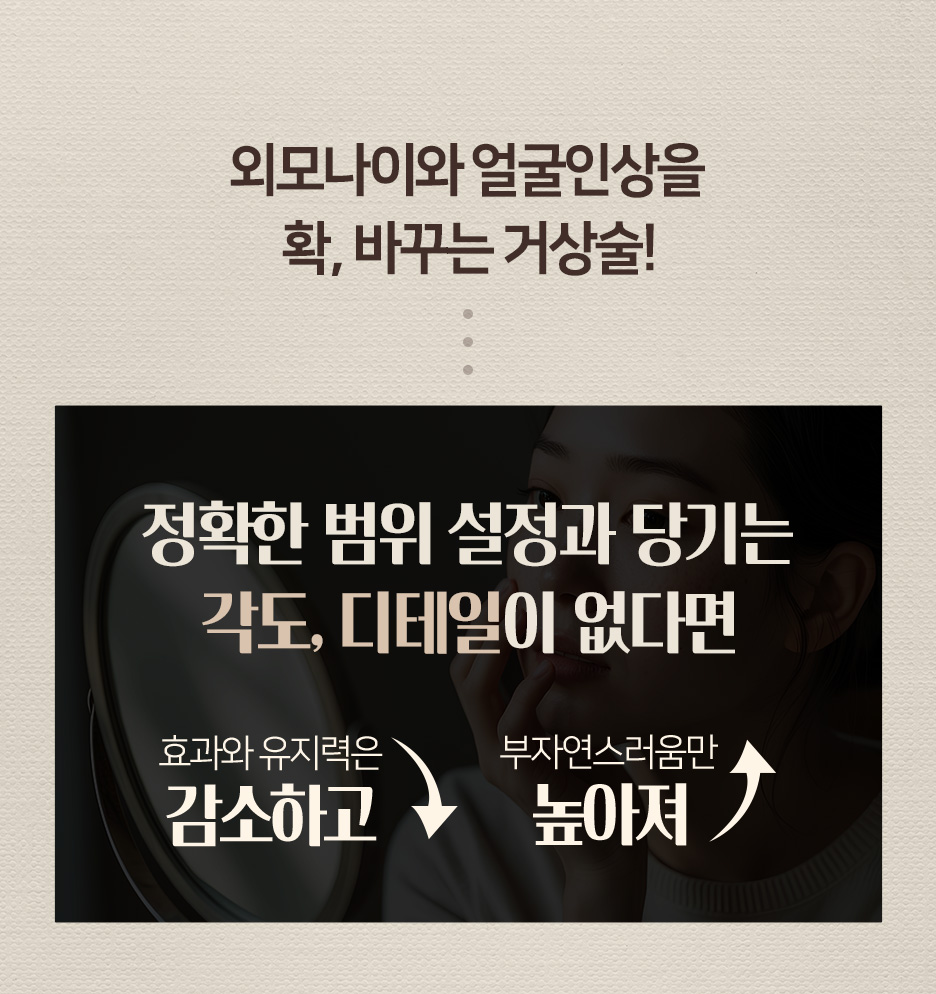
When people hear the word "lift," they tend to picture loose skin being pulled upward first.
But depending on which area is lifted and how much, the surgical plan can differ.
Even when concerns look similar on the surface,
the approach can differ depending on the structure of the face and where the sagging appears.
Rather than simply comparing how much each procedure lifts,
it's best to consider which concerns bother you most right now
and how balanced your face is as a whole.

Facial Sagging Varies by Area
The face can be broadly divided into the upper face, midface, and lower face.
The forehead and the area around the eyebrows make up the upper face,
the area from below the eyes to around the nose is the midface,
and the area around the mouth and chin is the lower face.
Dividing the face this way helps make the area of concern a bit clearer.
When the eyebrows drop and make the eyes look heavy,
and when the cheeks sag and make the face look longer,
these may call for different approaches.
That is also why it's worth looking at the entire face
and identifying which area's changes stand out most.
A Longer-Looking Face: Is the Midface to Blame?
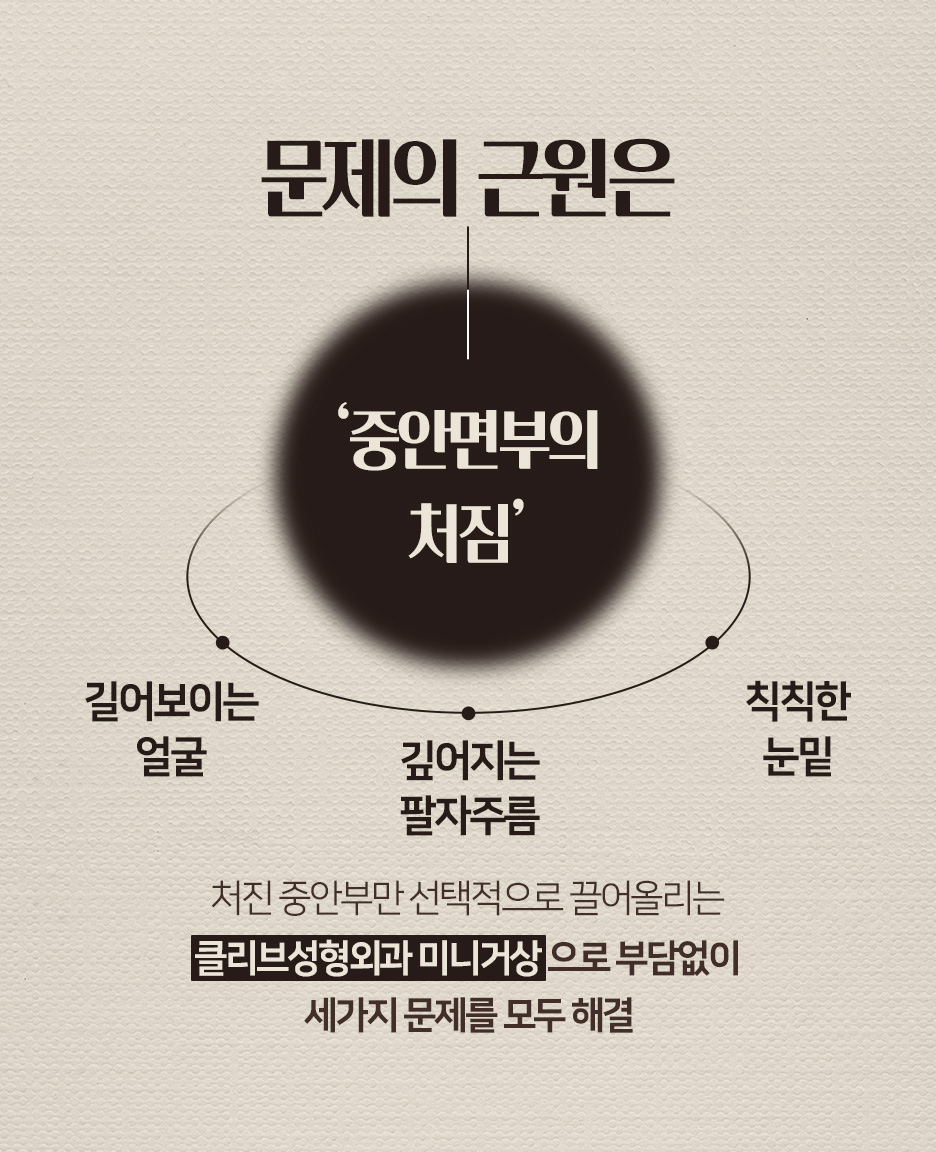
As we age, the cheek area can droop downward,
or the nasolabial folds can become more prominent,
which can give the impression that the face looks longer than before.
If changes around the midface are what concern you,
some people also look into a semi-lift.
That said, a longer-looking face isn't always caused entirely by midface sagging.
In fact, what to look at depends on which area has actually changed
and which area you want to focus on improving.
Why You Should Look Beneath the Skin
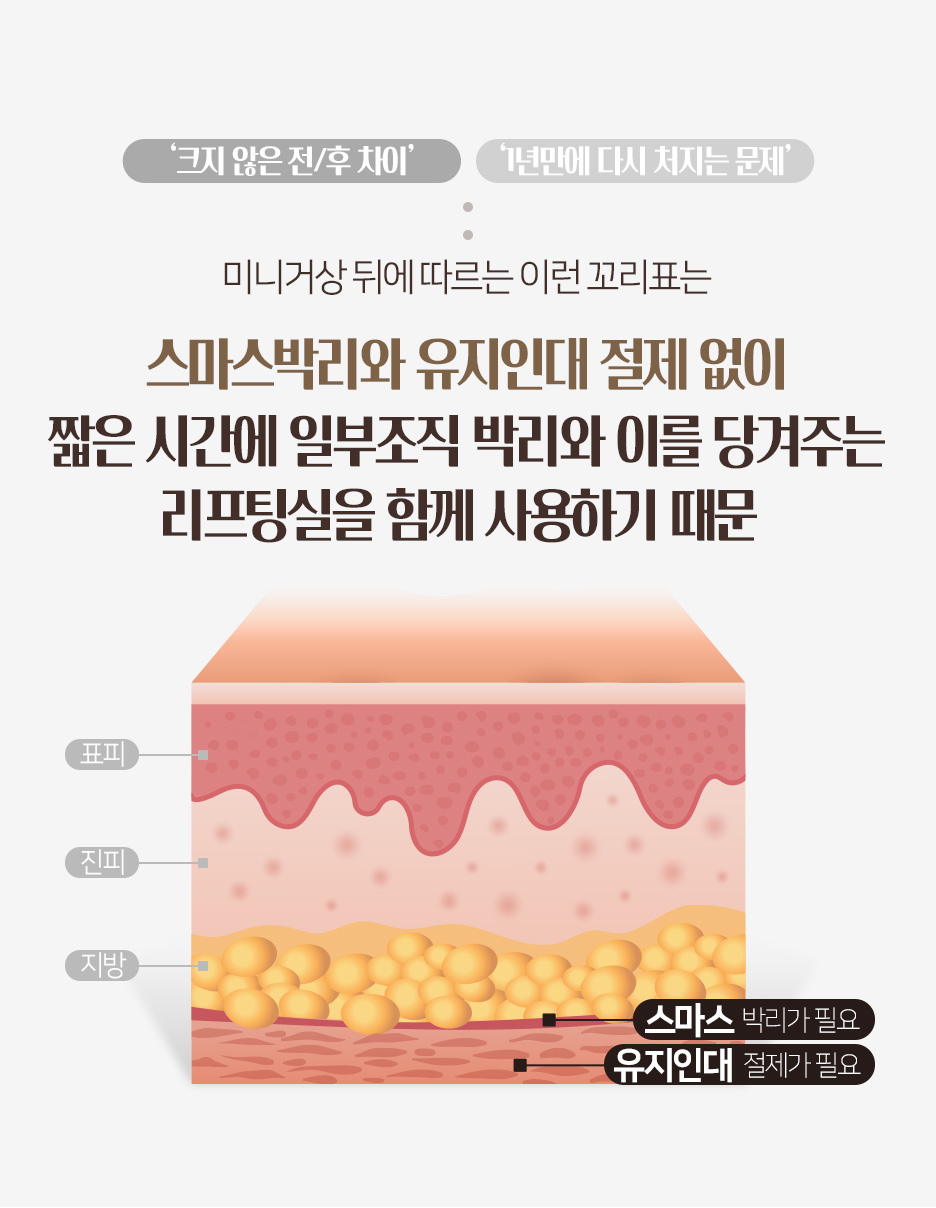
Facial contours are not formed by skin alone.
Beneath the skin lie several layers of tissue, including fat, fascia, and retaining ligaments,
and each contributes to the shape and structural support of the face.
SMAS refers to the fascial layer located beneath the skin,
and the retaining ligaments serve to support facial tissue.
So when you're trying to understand facial lifting,
it helps to know not only the visible sagging of the skin
but also the role played by the tissues beneath it.
However, the tissues actually addressed can differ depending on the surgical technique.
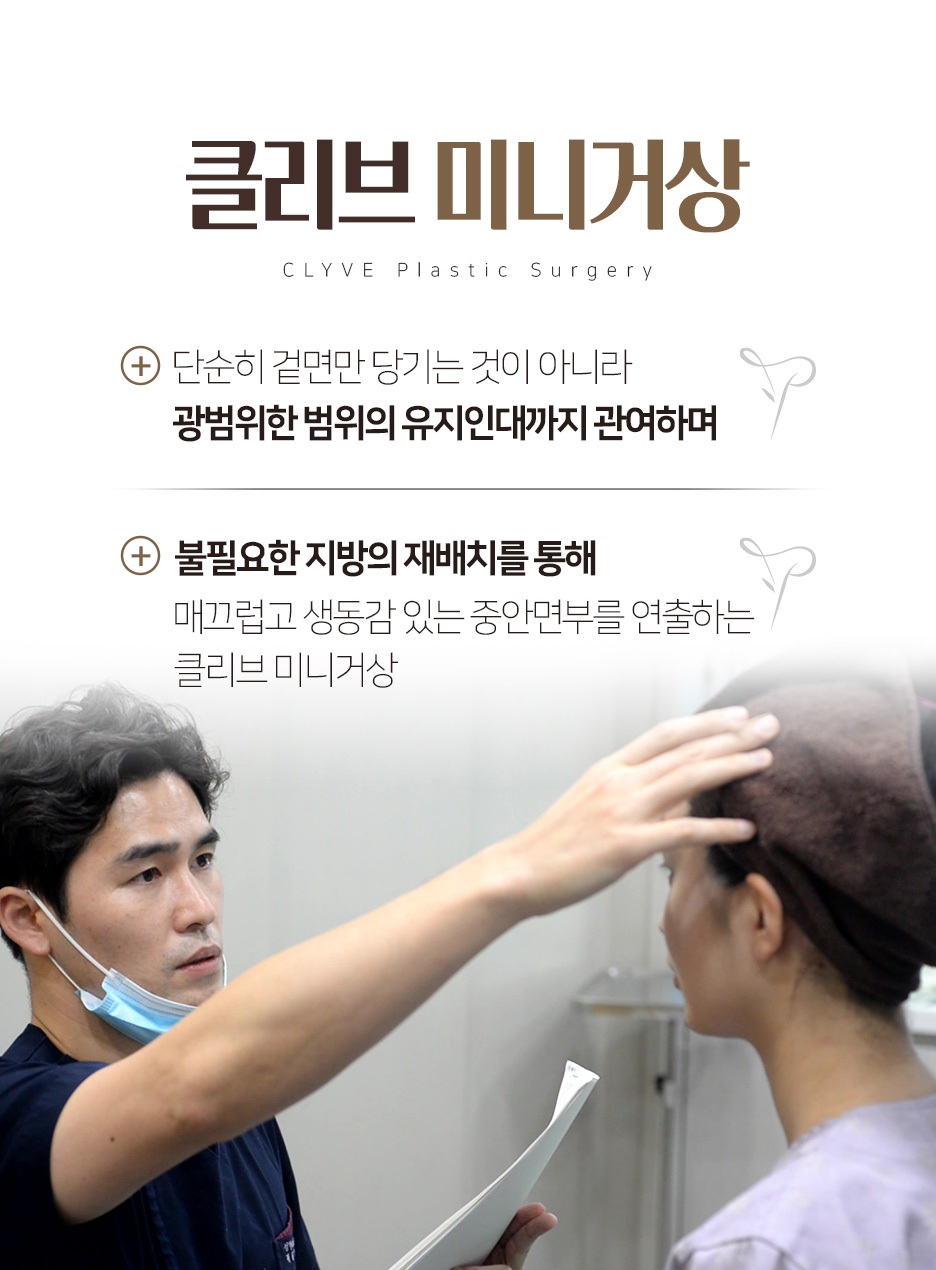
Mini Lift: Is Scope Alone Enough?
When a name includes "mini," you might assume the surgical area is smaller
and the process is simpler.
But it's difficult to judge the actual scope or approach from the name alone.
The specific technique can vary depending on which area is targeted
and how the tissue beneath the skin is approached.
If you're looking into a mini lift,
rather than just comparing its name or incision range,
it's worth checking which area the surgery addresses
and how it relates to your specific concern.

Heavy-Looking Eyes: Could the Forehead Be the Cause?
If you tend to tense your forehead when opening your eyes,
or often raise your eyebrows,
the condition of the forehead and the area around the eyebrows may be worth examining.
This is because changes in the position of the eyebrows
can sometimes make the eyes look heavier.
A forehead lift is a procedure that takes into account
sagging of the forehead and the area around the eyebrows.
However, not every sense of heaviness when opening the eyes stems from the forehead.
Sagging of the eyelids themselves, or issues related to the eyelid's ability to open,
should also be distinguished and evaluated separately.

Fixation Matters as Much as Lifting
In a lift, how tissue is secured is just as important as the direction in which it is pulled.
In some forehead lift procedures, the tissue is fixed directly to the bone
rather than using fixation devices such as Endotine.
The fixation method can vary depending on the surgical technique and the plan.
If you're researching forehead lift procedures,
look not only at whether fixation devices are used,
but also at how the tissue is secured
and what the characteristics of each method are.
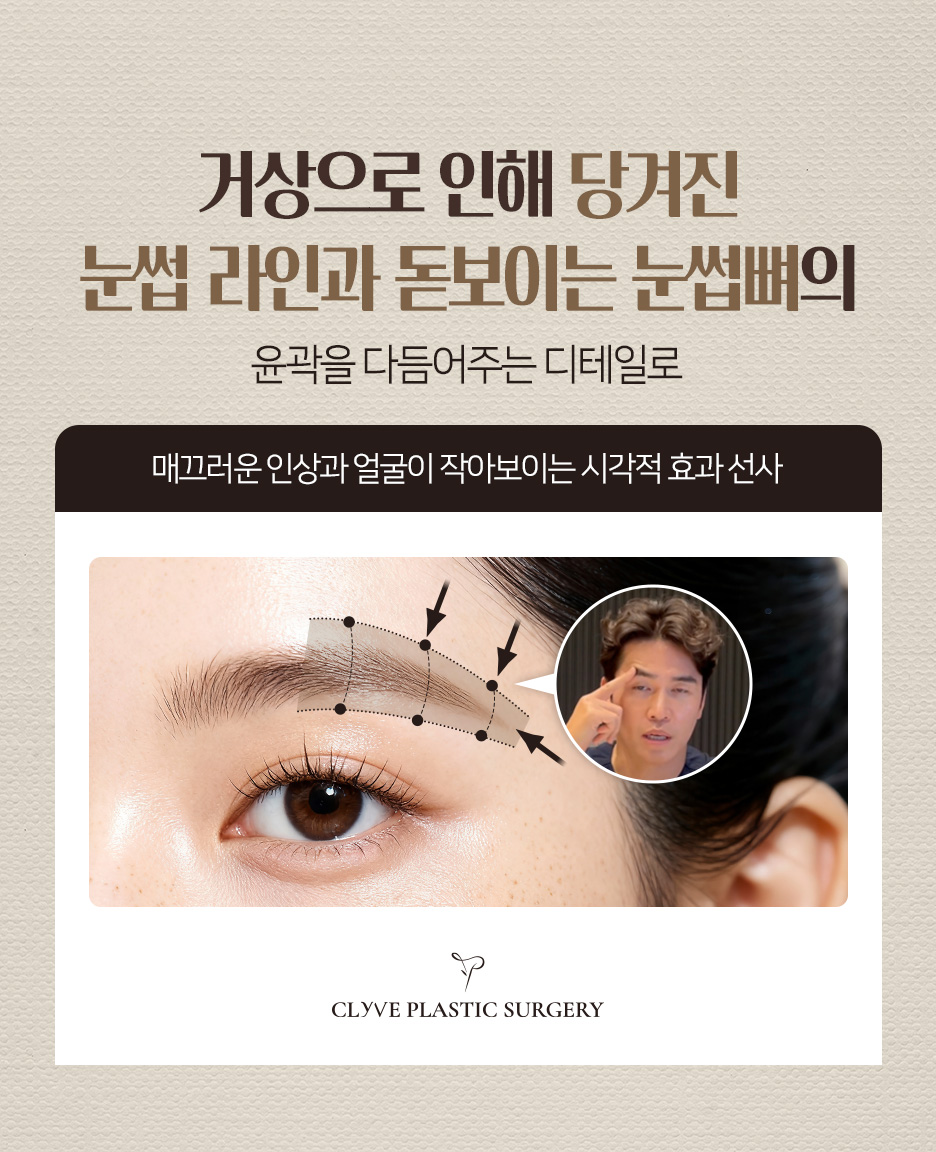
Eyebrow Line Shapes the Overall Impression
The height and shape of the eyebrows affect not only the eye area
but also the overall mood of the face.
If the eyebrows are uneven in height,
or if the tails of the eyebrows droop,
the same face can give a very different impression.
When planning a forehead lift,
it's important to consider not only moving the eyebrows upward,
but also the original eyebrow shape, the difference between left and right,
and the distance between the eyes and eyebrows.
Since each person's facial structure and expression habits are different,
it's necessary to first understand your current features.
So, Which Lift Suits Your Face?
The reason your face looks long and the reason your eyes look heavy
may be different.
If your concern is midface sagging,
or if changes around the forehead and eyebrows bother you,
the areas you need to examine will differ.
If you're considering a forehead lift,
start by understanding what changes have appeared.
Each procedure has its own areas of focus and limitations,
so it's best to compare thoroughly whether each method suits your condition before making a decision!
















Frequently Asked Questions
Which area of sagging does a semi-lift address?
A semi-lift is described as a procedure that addresses sagging in the midface. The midface refers to the area from below the eyes to around the nose, and people also look into this procedure when the cheeks droop downward or the nasolabial folds become more prominent.
Which area does a forehead lift take into account?
A forehead lift is a procedure that considers sagging of the forehead and the area around the eyebrows. Even if opening the eyes feels heavy, the cause is not always the forehead, so sagging of the eyelids themselves and other factors should also be distinguished and checked.
How is tissue fixed in a forehead lift?
In some forehead lifts, tissue is fixed directly to the bone rather than using Endotine fixation devices. The fixation method can vary depending on the surgical approach and plan, so it's a good idea to look at both whether a fixation device is used and the characteristics of each method.
What is SMAS?
SMAS refers to the fascial layer located beneath the skin. Facial contours are not formed by skin alone; fat, fascia, retaining ligaments, and other tissues are described as contributing to the shape and structural support of the face.
Is the surgical area of a mini lift small?
It's difficult to determine that the surgical area is small based on the name alone. Because the specific approach can vary depending on which area is targeted and how the tissue beneath the skin is approached, it's better to check whether it matches your concerns rather than comparing only the incision range.
In a forehead lift, is it enough to simply move the eyebrows upward?
No, moving the eyebrows upward is not the only consideration. The original eyebrow shape, the height difference between the left and right eyebrows, and the distance between the eyes and eyebrows should also be taken into account.
Clinic Info
Details
- 서울 강남구 도산대로 121 YK타워 5·6층
- 02-6212-8080
- Mon-Fri 10:00-19:00Sat 10:00-17:00 Closed days calendar ›
- Director 송경호
- clyveps.com