2026-10-24
Gangnam Plastic Surgery Clinic Recommendations: From Choosing Your Double Eyelid Line to Considering Eye-Shape Correction
A guide to double eyelid line types (inline, outline, semi-outline), suture vs. incision methods, and when eye-shape correction may be needed.
Gangnam Plastic Surgery Clinic Recommendations: From Choosing Your Double Eyelid Line to Considering Eye-Shape Correction

You've decided to get double eyelid surgery,
but many people find it hard to choose which line to go for.
From inline to semi-outline.
Many different lines catch your eye when you search,
but the eyes that look pretty vary from photo to photo,
and it's hard to tell which shape would suit your own eyes.
While looking into Gangnam plastic surgery clinic recommendations,
the more you think about the line, the more questions you have.
Can double eyelid surgery alone
give you the eye shape you want?
Or should you also consider eye-shape correction?
That's because these are the things people often worry about.
Today, we'll look at the types of double eyelid lines,
the surgical methods, and how eye-shape correction differs!

Double eyelids: how the line shapes your impression
The overall look of a double eyelid changes depending on
the height and starting point of the line.
Some eyes have a thin, natural-looking line,
while others have a more defined one.
That said, setting the line higher
doesn't necessarily make your eyes look bigger.
The line that suits you depends on your eyelid thickness
and the shape of your inner eye corner.
When looking into Gangnam plastic surgery clinic recommendations,
don't just compare the height of the line;
also look at the overall balance of your eye area.
From inline to semi-outline
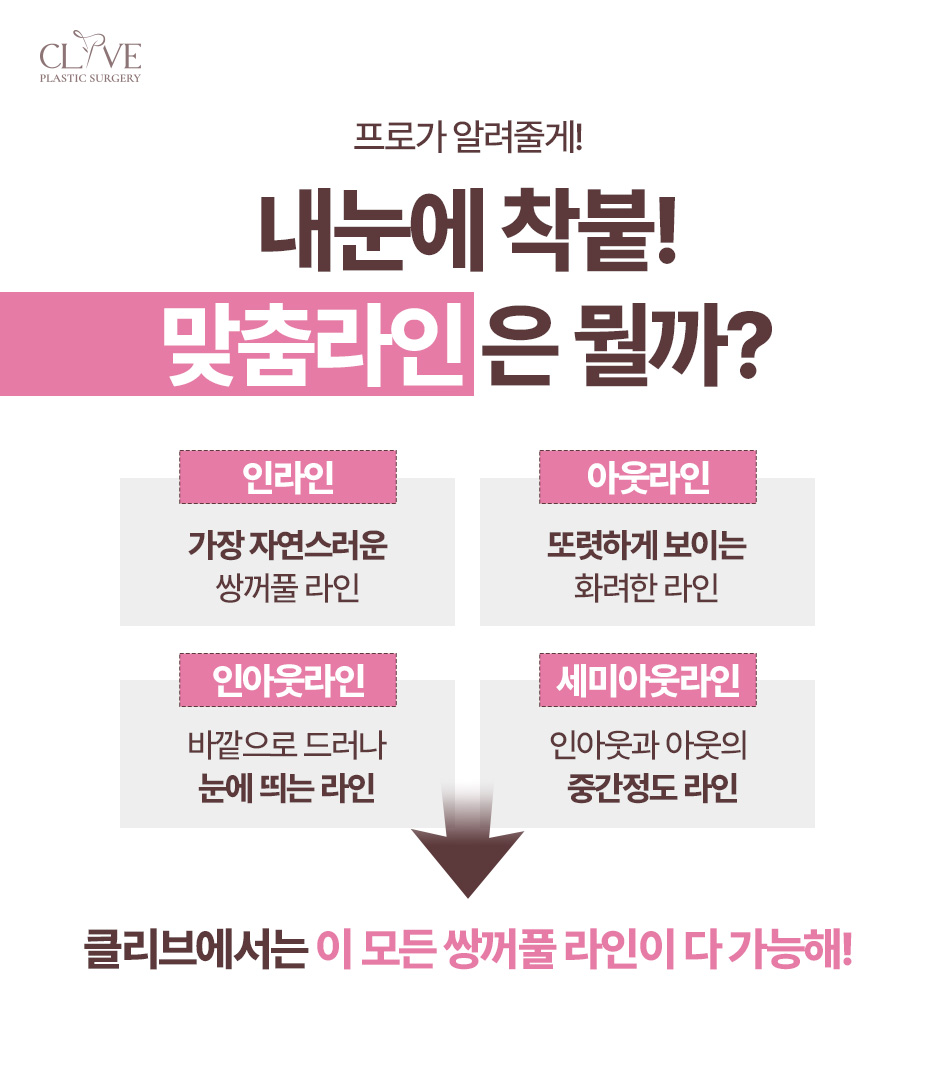
Inline lines start near the inner corner of the eye
and tuck inward.
Outline lines are visible toward the outside,
and in-out lines show features of both.
Semi-outline lines keep the feel of an outline
while adjusting the height and visibility of the line,
and are known for that balance.
When you look into Gangnam double eyelid surgery
and find a line you like,
you naturally wonder whether it can look similar on your eyes.
Even lines with the same name
can look different depending on the structure of the inner eye corner and eyelid thickness,
so the final shape can vary.
Why semi-outline lines appeal to people
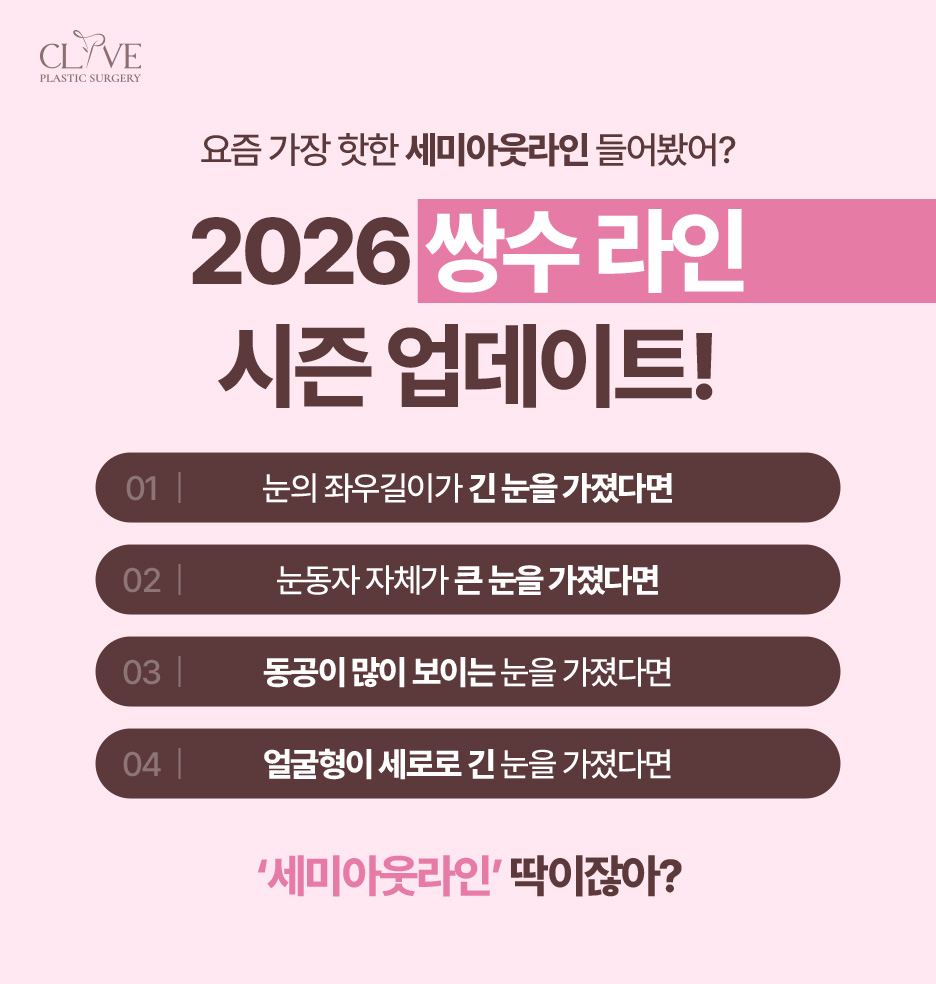
Very thin lines can feel underwhelming,
and if a very prominent double eyelid feels like too much,
semi-outline lines may catch your interest.
They show the line just enough
for people who want a defined eye shape.
That said, the mood changes depending on
the height and starting point of the line.
Rather than simply copying a trendy shape,
consider the image you want and the features of your own eyes
together.

Is double eyelid surgery all you need?
As you research double eyelid surgery,
you often come across the term eye-shape correction.
You were only thinking about double eyelids, and now you're wondering if you need this too.
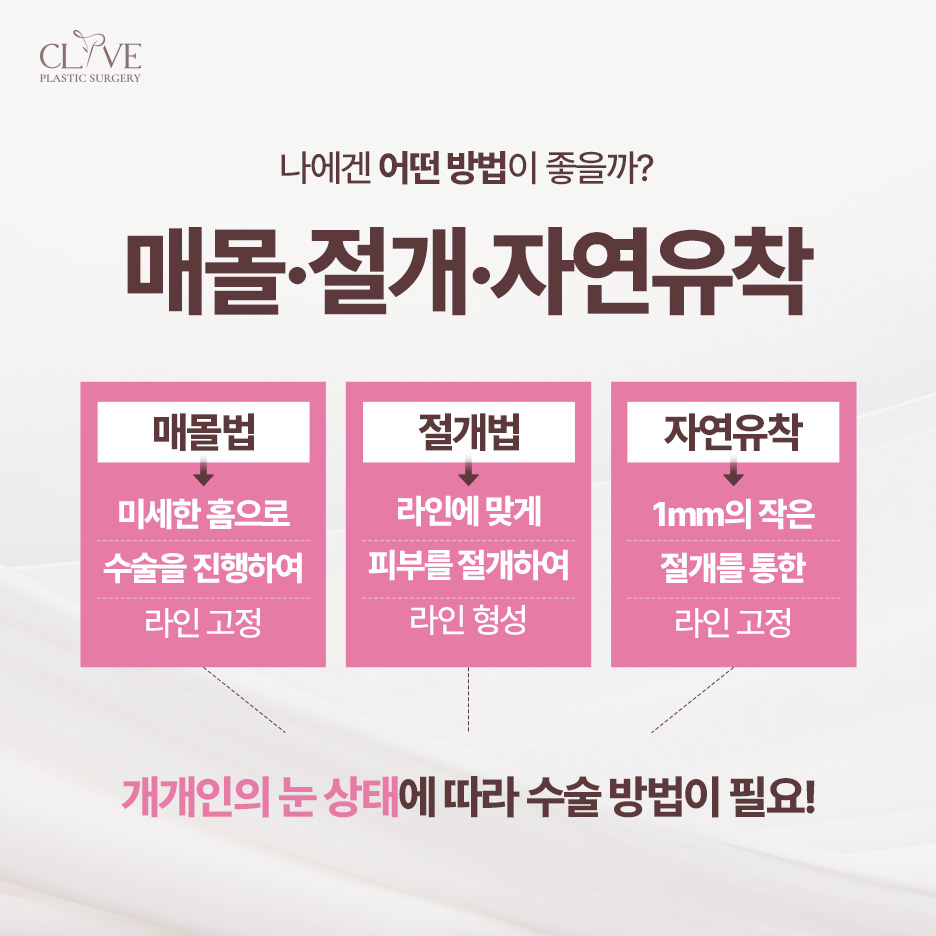
The two procedures have different purposes.
Double eyelid surgery creates a line in the eyelid,
while eye-shape correction is a procedure that adjusts the structures
tied to the strength used to open your eyes.
If your eyelids cover a lot of your pupils,
or you feel your forehead straining when you open your eyes,
it's worth checking your eye-opening function.
That said, simply feeling your eyes look small
doesn't mean everyone needs eye-shape correction.
When looking into Gangnam plastic surgery clinic recommendations,
be sure to distinguish between the purpose and necessity of each procedure.
What's the difference between the suture method and the incision method?
The suture method creates the double eyelid line using thread
and is characterized by not requiring a long skin incision.
The incision method cuts the skin to adjust the necessary tissue
while forming the line.
Natural adhesion is also one way to create a double eyelid,
and the specific process may vary depending on how it's applied.
Depending on eyelid thickness, fat volume, and skin laxity,
the approaches you can consider will vary.
When looking into Gangnam double eyelid surgery,
don't just look at the names of the techniques;
also consider which approach would suit your eyes.

Similar-sounding procedures: how do you tell them apart?
Double eyelid surgery includes the suture method, one-day natural adhesion,
hybrid natural adhesion, minimal-incision natural adhesion,
and incision-based natural adhesion, among others.
The names alone may not make the differences clear,
but the extent of the incision and how the tissue is handled
do differ.
When comparing Gangnam double eyelid surgery methods,
it helps to understand the actual process and the reasons for considering each method
to better understand your options.
Before-and-after photos: what should you look at?
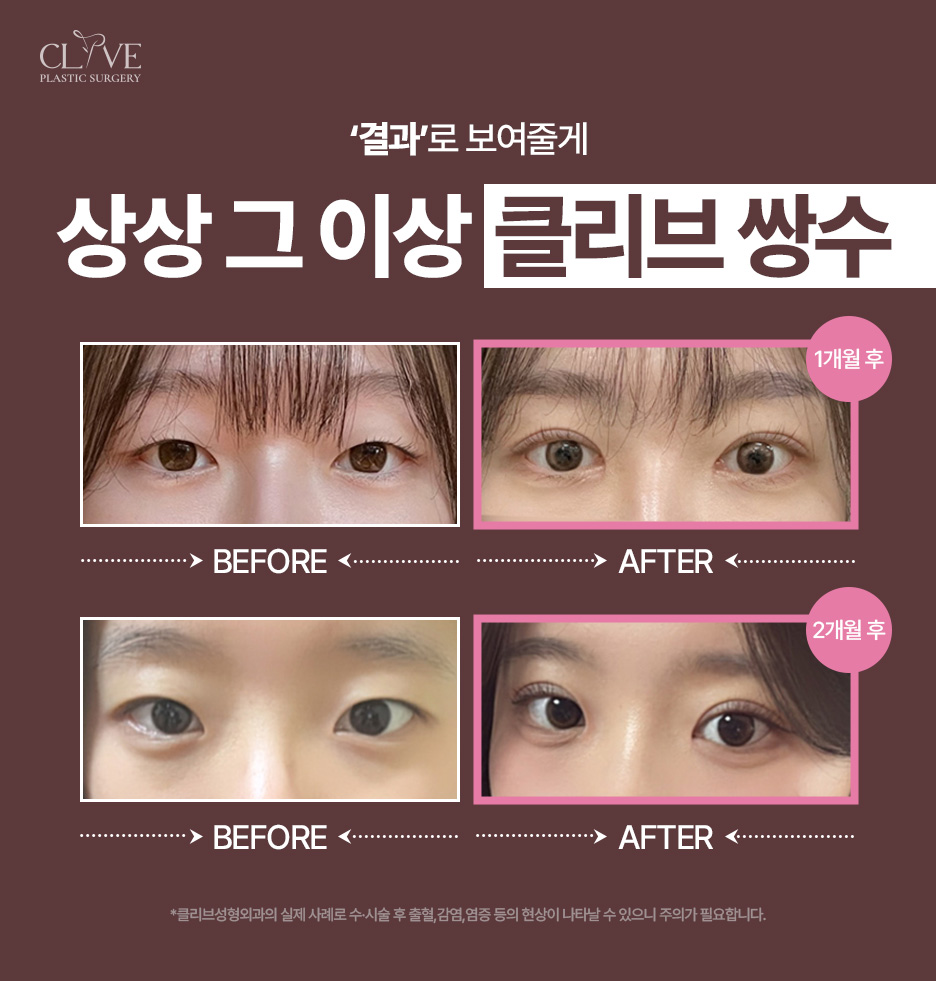
When looking at before-and-after photos, don't just focus on the size of the double eyelid;
also check where the line starts, the shape of the eyes when open,
and left-right balance.
One-month and two-month post-op photos
can be helpful for tracking how recovery is progressing.
That said, the speed at which swelling goes down
and how the line settles in differ from person to person.
The changes you see in photos may not appear the same way for you,
so it's best to use them only as a reference.

Before you decide on surgery,
once you've found a line you like,
it's time to look at the condition of your eyes.
Your eyelid thickness, skin laxity, and the strength you use to open your eyes
can all affect which surgical methods are appropriate for you.
When looking up Gangnam plastic surgery clinic recommendations,
consider not only the look you want,
but also the reasons for choosing a particular method, the expected changes,
and what to watch for during recovery.
It's important to confirm whether this surgery is necessary for your situation,
and to get a thorough explanation of the changes and limitations you can expect from it.
Surgery can carry risks such as bleeding, infection, scarring, and asymmetry,
so please understand your eye condition and make a careful decision.
















Frequently Asked Questions
How are inline and outline double eyelids different?
An inline double eyelid tucks inward near the inner corner of the eye, while an outline double eyelid is visible toward the outside. In-out lines combine features of both, and semi-outline lines are known for keeping the feel of an outline while adjusting the height and visibility of the line.
What's the difference between double eyelid surgery and eye-shape correction?
The two procedures serve different purposes. Double eyelid surgery creates a line in the eyelid, while eye-shape correction adjusts the structures related to the strength used to open the eyes. Feeling that your eyes look small alone doesn't mean everyone needs eye-shape correction.
How do the suture method and the incision method differ?
The suture method creates the double eyelid line using thread and is characterized by not requiring a long skin incision. The incision method cuts the skin to adjust the necessary tissue while forming the line. Which method to consider depends on eyelid thickness, fat volume, and skin laxity.
How should I look at double eyelid surgery before-and-after photos?
When looking at before-and-after photos, it's best to check not only the size of the double eyelid but also where the line starts, the shape of the eyes when open, and left-right balance. Keep in mind that the speed at which swelling subsides and how the line settles vary from person to person, so the changes in photos may not look exactly the same for you.
What are the side effects of double eyelid surgery?
This article notes that surgery can cause side effects such as bleeding, infection, scarring, and asymmetry. It's best to thoroughly discuss whether surgery is appropriate for your situation and what results and limitations to expect, then decide carefully.
Will a higher line make my eyes look bigger?
No, setting the line higher doesn't necessarily make your eyes look bigger. The line that suits you can vary depending on your eyelid thickness and the shape of your inner eye corner, so it's best to consider the balance of your entire eye area rather than just comparing line heights.
Clinic Info
Details
- 서울 강남구 도산대로 121 YK타워 5·6층
- 02-6212-8080
- Mon-Fri 10:00-19:00Sat 10:00-17:00 Closed days calendar ›
- Director 송경호
- clyveps.com