2026-11-14
Under-Eye Clinic: Fat Repositioning That Preserves Your Aegyosal – Curious About Recovery Time?
This under-eye fat repositioning guide covers how clinics plan surgery around the aegyosal, what to check when choosing a clinic, and recovery expectations.
Under-Eye Clinic: Fat Repositioning That Preserves Your Aegyosal! Curious About Recovery Time? Clyve Under-Eye Fat Repositioning

“Are you feeling unwell? You look tired.”
Even after a good night’s sleep and proper rest, hearing something like that can be quietly unsettling.
When the area under your eyes puffs out or casts a shadow beneath it,
you can look worn out no matter how you actually feel.
Even with makeup, the contours under your eyes stand out,
and if that area is the only thing that catches your eye in every photo,
you may start to consider under-eye fat repositioning surgery.
If you’re looking for a clinic that does under-eye fat repositioning well, it’s worth checking not only how the protruding fat is handled,
but also how naturally the results blend in with the surrounding area.
At Clyve, we plan each procedure with more than the shape under the eyes in mind.
We also consider the balance with the aegyosal (the soft fullness under the eyes that appears when you smile) and the surrounding tissue, as well as the entire process from surgery through recovery.

[Clyve Under-Eye Fat Repositioning]
Even when the under-eye area looks puffy, the reasons vary!
Just because the area under the eyes looks prominent doesn’t mean everyone’s condition is the same.
The amount and location of fat differ, and so do skin thickness and elasticity,
as well as the condition of the surrounding tissue.
Even if things look similar on the surface, a closer look can reveal that the surgical approach may need to be different.
What We Examine | What We Check |
Amount and location of fat | Which areas appear prominent |
Skin and surrounding tissue | The condition of the skin and the characteristics of the tissue |
Lower eyelid line | Whether there is any hollowing or contour irregularity |
Overall impression | How the eye shape and surrounding areas harmonize with one another |
At Clyve, we first examine these areas
and then plan a surgical direction tailored to each individual.
We don’t just look at the part that protrudes.
We also consider the overall shape under the eyes and the impression your face gives.
When you’re looking for an under-eye fat repositioning clinic, check how carefully it looks into your concerns
and whether it reflects them in the surgical plan.
[Clyve Under-Eye Fat Repositioning]
Keeping the aegyosal intact, keeping the under-eye area natural
“If we reduce the fat, won’t the aegyosal look different too?”
It’s a concern you may reasonably have when considering under-eye surgery.
Since the aegyosal is one of the elements that shape the look under the eyes,
it needs to be considered alongside how it blends with the surrounding structure.
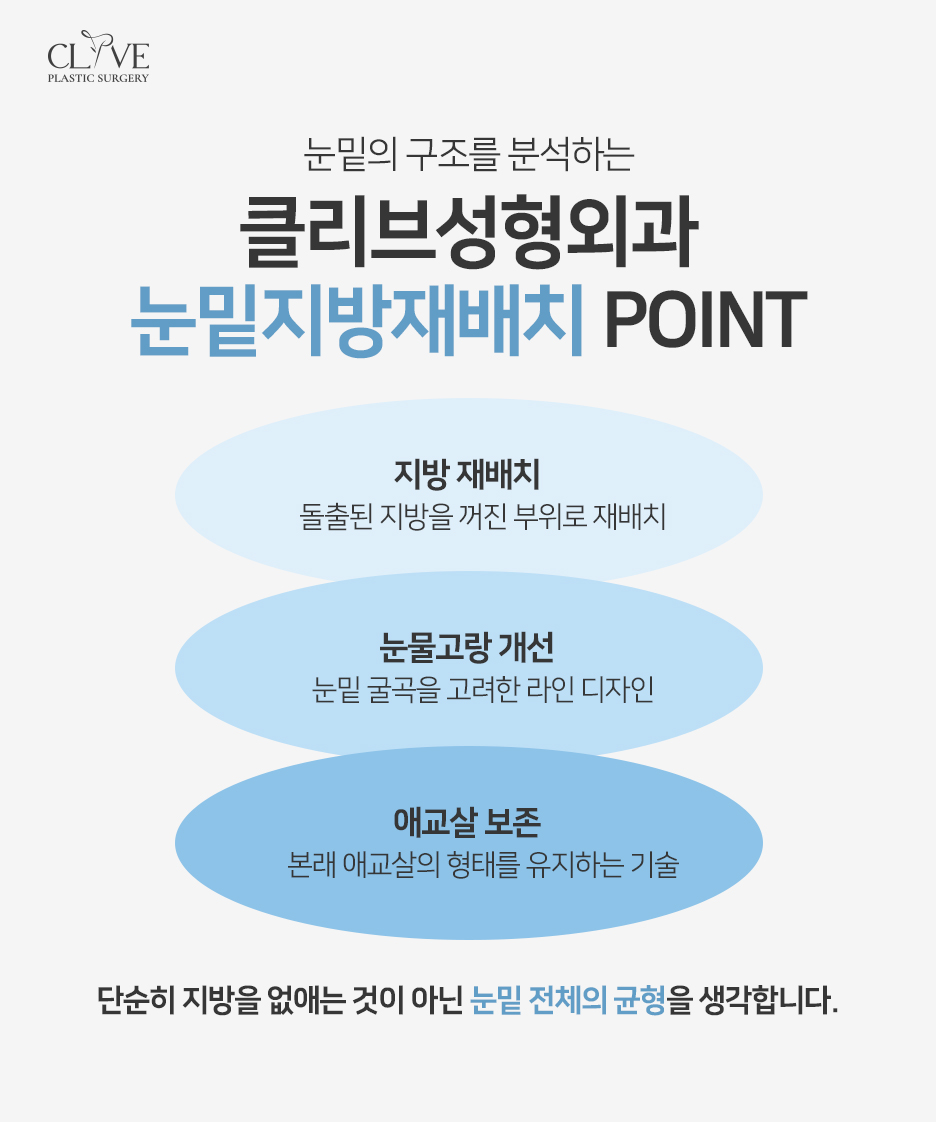
At Clyve, we distinguish between the parts of your existing eye area that should be kept
and the parts that need improvement.
We then set the surgical direction by considering the balance around the eyes, including the aegyosal.
It’s not about changing just one part under the eye, but achieving a natural harmony across the entire eye area. Clyve Under-Eye Fat Repositioning
This is something Clyve considers important when designing each procedure.
If you’re thinking about under-eye fat repositioning, don’t rely only on before-and-after photos.
Also check how the clinic reflects the specific features of your under-eye area.
When choosing an under-eye fat repositioning clinic, it’s worth looking at these design principles as well.
[Clyve Under-Eye Fat Repositioning]
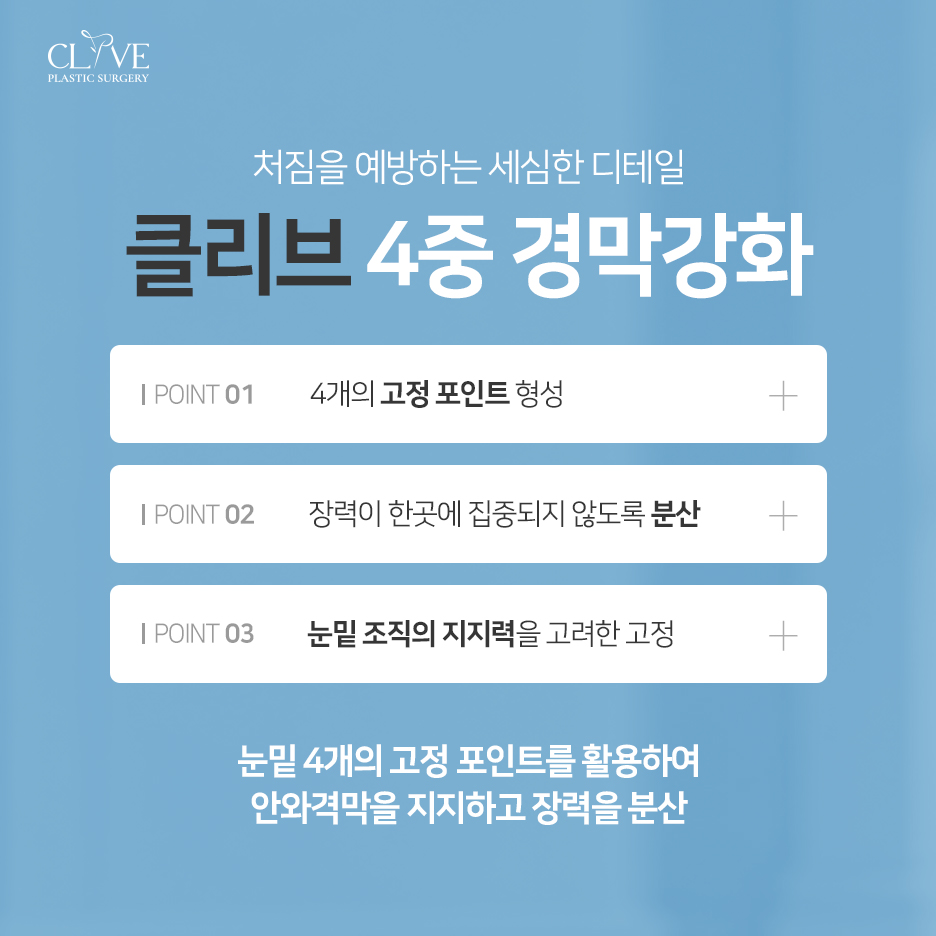
Paying attention to the small details
The skin and tissue under the eyes are delicate, and this area moves with every expression you make.
So, just as much as the visible shape, how the internal tissue is handled and supported matters.
At Clyve, the under-eye condition we check before surgery
should carry through into the actual procedure,
so we look closely at details such as tissue support and fixation.
When choosing an under-eye fat repositioning clinic, don’t focus only on the name of a particular surgical technique;
check how it builds a plan that fits your condition.
Looking into these small differences can help when putting together your surgical plan.
[Clyve Under-Eye Fat Repositioning]
There’s also plenty to look after once surgery is done
“How long will the swelling last?”
“When can I get back to my daily routine?”
If you’re getting ready for surgery, you’re probably curious about the recovery process too.
Under-eye fat repositioning recovery time varies depending on the extent of the procedure and your individual condition.
Right after surgery, swelling and bruising can occur.
Recovery speed also differs from person to person,
so it’s better to focus on your own condition rather than trying to match someone else’s timeline.
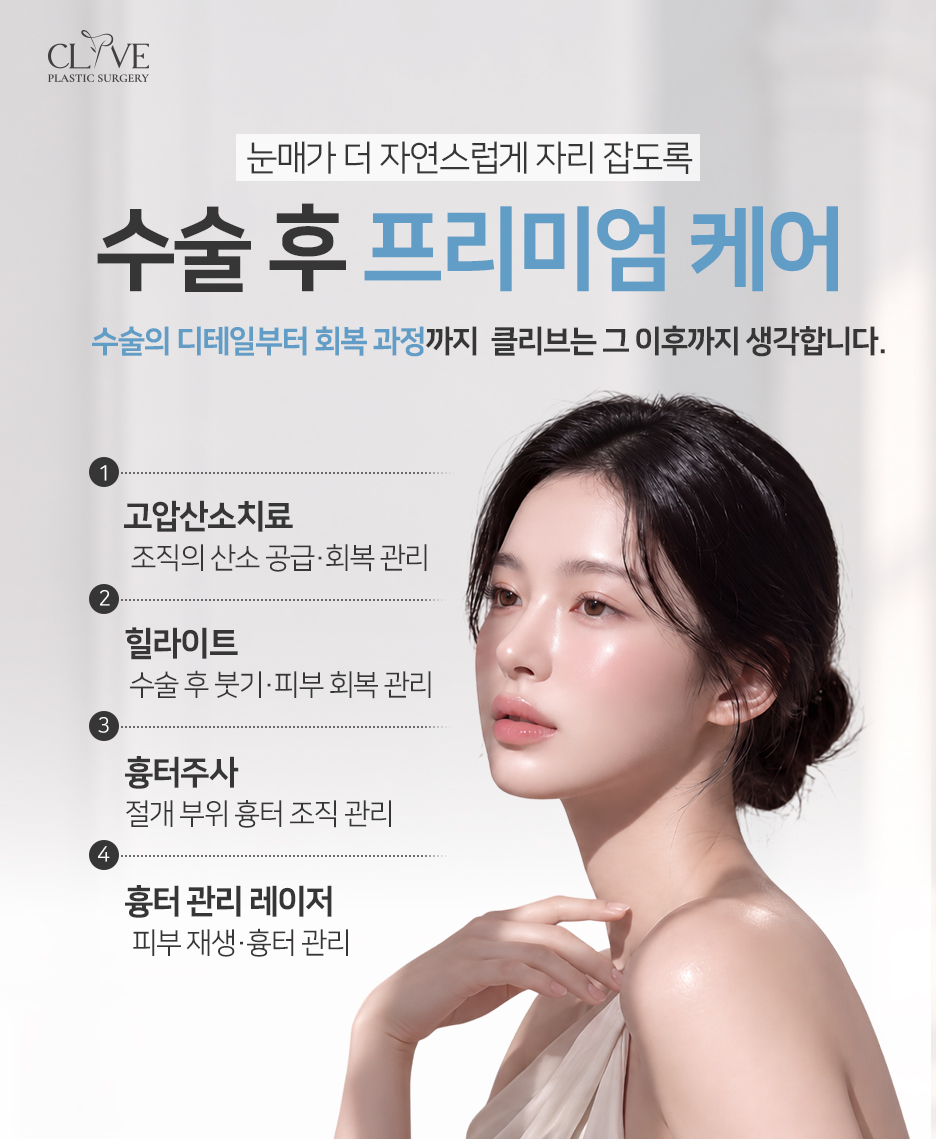
At Clyve, we check your progress even after the procedure,
and continue any necessary care based on how your recovery is going.
What Clyve monitors during recovery ☑ Changes after surgery, such as swelling and bruising ☑ Care guidance based on your individual condition ☑ Return to daily life and precautions |
If you feel any discomfort during recovery that’s different from usual, be sure to let your care team know.
Under-eye fat repositioning recovery time also shouldn’t be judged by a set date, but by your own progress.
Everything isn’t finished on the day of surgery, after all.
From consultation through surgery and into recovery, Clyve follows each stage
so that you receive the guidance and care you need.
The under-eye area is one where even small differences can change how someone looks.
That’s why it’s best to look at not only the surgical method,
but also the balance with the aegyosal and surrounding tissue, the surgical process, and post-surgery care.
At Clyve, we set the surgical direction based on the individual condition identified during consultation,
and follow through with care during recovery.
If you’re considering surgery for under-eye fat repositioning,
start by thoroughly checking your current condition and the surgical direction you need.
When it comes to recovery time for under-eye fat repositioning as well,
it’s best to make decisions after receiving guidance that takes individual differences into account.
If you’re looking for an under-eye clinic, it may be worth discussing your concerns with Clyve, which considers the harmony of your entire eye area, not just one part, along with recovery after surgery.









Frequently Asked Questions
What concerns is under-eye fat repositioning surgery suited for?
It may be worth considering when the under-eye area puffs out or casts a shadow beneath it, making you look tired. It can also apply when contours stand out even with makeup, or when that area often catches your eye in photos.
How does an under-eye fat repositioning clinic decide on the surgical approach?
According to the clinic, it first assesses each person’s amount and location of fat, skin and tissue condition, and whether there is any hollowing along the lower eyelid line, and then plans the surgical approach accordingly. It says it looks not only at the protruding area, but also at the overall shape under the eyes and the impression the face gives.
How is the aegyosal taken into account during under-eye fat repositioning?
The clinic regards the aegyosal as one of the elements that shape the look under the eyes, and checks whether it harmonizes with the surrounding structure. It says it sets the surgical direction by distinguishing the parts of your existing eye area to keep from those that need improvement.
How long is the recovery period for under-eye fat repositioning?
The clinic explains that recovery time varies with the extent of surgery and individual condition, so it’s better to focus on your own progress than on a fixed date. Swelling and bruising may occur right after surgery, and recovery speed differs from person to person.
What is monitored after surgery?
The clinic explains that, as recovery progresses, it tracks changes such as swelling and bruising, provides care guidance based on individual condition, and monitors your return to daily life along with any precautions. If you experience discomfort that’s different from usual during recovery, you should let the clinic know.
What should I look for when choosing an under-eye fat repositioning clinic?
The clinic advises looking at how a plan is tailored to your own condition, rather than focusing on the name of a particular surgical technique. It also suggests checking how the clinic reflects the features of your under-eye area, rather than relying only on before-and-after photos.
Clinic Info
Details
- 서울 강남구 도산대로 121 YK타워 5·6층
- 02-6212-8080
- Mon-Fri 10:00-19:00Sat 10:00-17:00 Closed days calendar ›
- Director 송경호
- clyveps.com